

Fun in the Sun
Hot Tub & Swim Spa Event
Payments as low as $89/mo*
Factory Direct Savings
SAVE
up to $4000
on In-Stock Hot Tubs
SAVE
up to $8000
on In-Stock Swim Spas
Huge Selection in our Showroom
Hurry in for best availability!
* For qualified buyers. Details available in store
Make The Place your place for
Fireplaces • Hot Tubs • Swim Spas
Get what you want from the experts you need.
Hot Tubs

The Place isn’t your everyday Hot Tub store. Come in and EXPERIENCE the hot tub lifestyle. Hot tubs from Entry to Elite to fit every budget. The Place; where getting yourself into hot water is a good thing!
Swim Spas

With a swim spa from The Place in Medina it is easy for your family to have a healthy lifestyle year-round. Check out our large selection of swim spas and cover.
Fireplaces
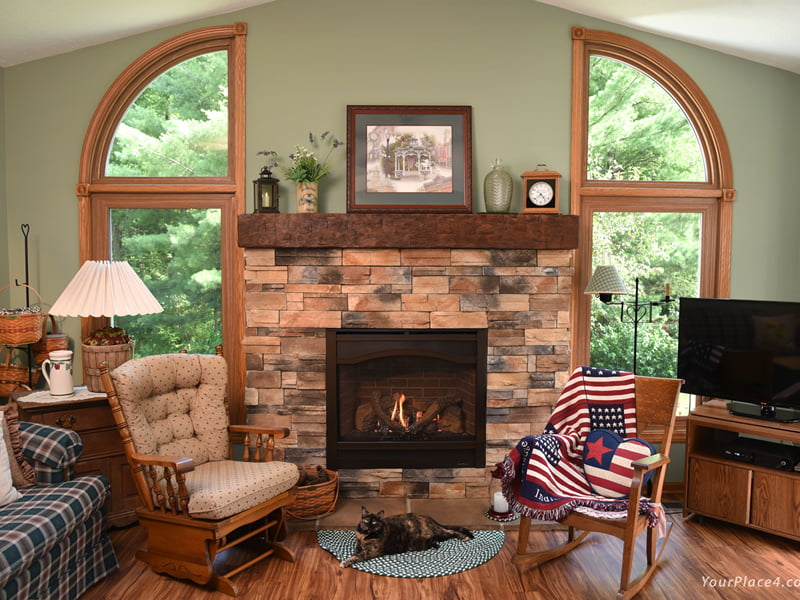
Browse fireplaces, stoves, and inserts by Fireside Hearth and Home. Fuel types include gas, wood, electric, or pellet. Accessories such as logs, remotes, glass, and art.
4,500+
Hot Tubs and Swim Spas installed
5,000+
Fireplace Installations, Makeovers and Inserts

Heating Stoves
Match your decor and lifestyle with a beautiful wood-burning, pellet, or convenient gas freestanding stove. From timeless cast iron to trend-forward designs, add warmth & coziness with easy touch control.
Patio & Firetables
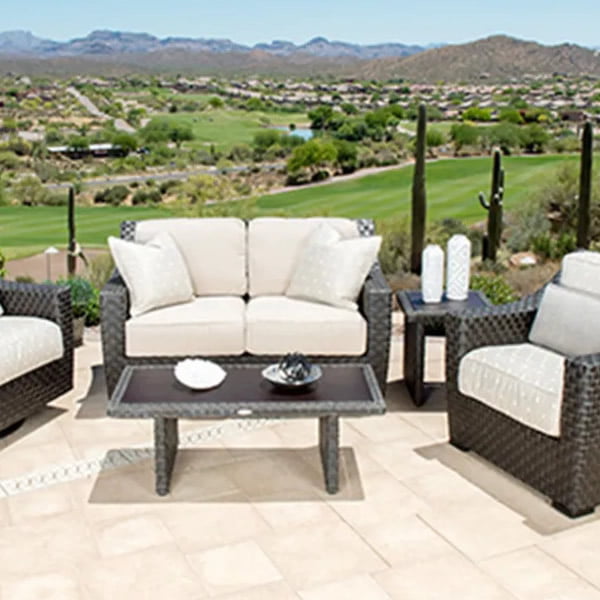
Make your patio a relaxing space or an entertaining focal point with our quality patio sets including Triptone, Castille, and Woodard.
We have a selection of
Certified Pre-owned Hot Tubs a& Swim Spas
Supply is limited. They won’t last long.
Accessories, Parts, and Much More
Our store has all the accessories to add to the functionality of your fireplace, hot tub or swim spa. Plus you can shop for patio sets and firetables.
or call us at
(330) 239-4000
Voted Best of the Best 13 Straight Years


What our customers have to say . . .
“Hi, I’m Ruth Ann! It was a pleasure buying a hot tub from The Place. The service, the help, and the class I took, I would recommend them to anyone.”
These certifications reflect the quality of service we offer our customers every day, guaranteed!




We have 8 NFI fire-certified technicians to answer questions, inspect and install, and keep your fireplace working correctly and safely.
Just some of our experts at The Place, ready to serve you
Check back on your next visit to the site to meet more of our team
Joe

Store Manager
With over two decades serving clients at The Place, Joe has a deep understanding of the hot tub and fireplace industries. You can count on him to keep his word, care about your concerns, and solve problems which may pop up with the products we provide.
Tim

Fireplace Manager
Tim is a nationally certified expert in gas, wood, pellet, and electric fireplaces and is the go-to for clients and team members. He ensures the product you choose in the showroom is the best for your home and schedules the best team for your project.
Ben

Hearth Service Coordinator
If you need your fireplace serviced, just give Ben a call and he will schedule one of our NFI certified technicians to come to your home. Ben’s gentle nature will quickly will put you at ease.
Shawn

Delivery Coordinator
An expert in logistics, Shawn will figure out a way to get your hot tub or swim spa delivered safely. Shawn enjoys sharing your joy when your new spa is safely in your backyard!
—
—
Get what you want from the experts you need.
The Place is conveniently located at 2377 Medina Road (Rt. 18) between I-71 and I-77.
Visit Our Showroom or give us a call:
(330) 239-4000

One Mile East of I-71

Family Owned and Operated for Over 59 Years
We started in 1967 by becoming the world’s first Troy Bilt tilling dealer. In 1975, our parents, Ray and Donetta Klubnik, purchased a dilapidated corner of Medina at East Smith and South Broadway. Dad sold power equipment during the day and remodeled it by night, turning an eyesore into a busy retail corner. It was always a family business. We all participated in its growth and development while putting our customers first.
We have undergone many changes over the years, but some things have stayed consistent: bringing value to our community and serving our clients like family. Today we improve home life for our community by providing hot tubs, swim spas, wood, gas, and pellet fireplaces, inserts, heating stoves, grills, patio furniture, accessories, and service with a skilled team of experts.



Welcome to The Place!
The Place is Northeast Ohio’s premiere source for swim spas, hot tubs, fireplaces, heating stoves, patio furniture, grills, outdoor kitchens, water care spa products, accessories, parts, and service. Our massive showroom in Medina, Ohio, boasts a large selection of new and used hot tubs. With over 35 running fireplaces, you get to see it burn! Our friendly and expert team will work closely with you to ensure that you are confident and satisfied with your purchase.
Please stop by our showroom today and see why The Place is THE Place for your next home relaxation project!
Why Choose The Place
Over 50 years of dedicated service
The Place has been satisfying clients since 1967 and has grown from a home-based power equipment retailer to Northeast Ohio’s largest selection of relaxation products.
Year-round displays in our showroom
Hot tubs, fireplaces, and grills are our business year-round! Step into our showroom to personally water test any hot tub, watch our fireplaces burn, get grilling instructions and demonstrations, or get free tips on operating or caring for your spa, pool, or grill.
An award-winning, certified staff
Our expert team has many awards and certifications that reflect the quality of service and dedication. Certified technicians are always on staff to answer all your questions and service needs.
We offer only quality products
We partner with suppliers who provide safe, high-quality products with strong, reliable support..
Cities We Serve
Convenient to all North East Ohio, including:
North Royalton, Rocky River, Middleburg Heights, Seville, Richfield, Brunswick, Strongsville, Medina, Hinckley, Bath, Ghent, Fairlawn, Montrose, Copley, Wadsworth, Norton, Montville, Westfield, Stow, Kent, Weymouth, Hinkley, Litchfield, Valley City, Akron, Hudson, Solon, Chagrin Falls, Brecksville, Independence, Beachwood, Cleveland Heights, Maple Heights, Parma, Middleburg Heights, North Olmstead, Avon, Elyria, Lorain, Amherst, Birming ham, Oberlin, Larange, Grafton, Wellington, Cleveland, Spencer, Lodi, Ashland, Congress, Rittman, Doylestown, Orville, Green, North Canton, Tallmadge, Kent, Streetsboro, Ravena, Rootstown, Hartville, Stow, Cuyahoga Falls, Akron, Canton, Norton, Barberton, Alliance, Massillon, Wooster, Mansfield, Lexington, and more.
